Laser Toenail Fungus Treatment: What to Expect
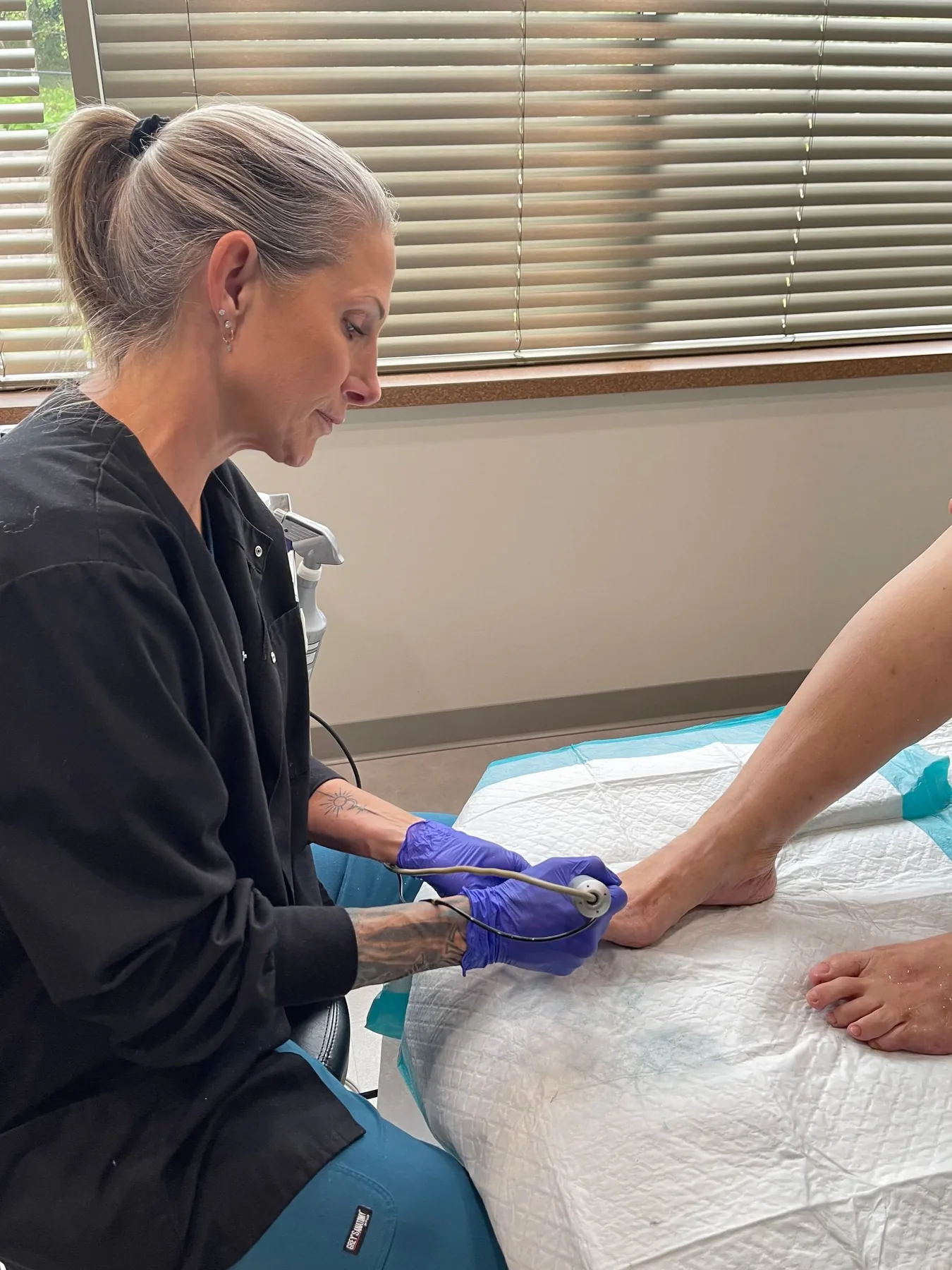
Laser treatment for toenail fungus sends focused light through the nail to heat the fungus living in and under it, with no downtime afterward. The laser does not clear the damaged nail you already have. Healthier nail has to grow in from the base, which takes around six months to notice and 12 to 18 months to finish, and results vary from person to person.
How laser treatment for toenail fungus works
Toenail fungus, known medically as onychomycosis, lives in the nail plate and in the nail bed underneath it. That location is the reason it is so stubborn. Creams and lacquers have trouble getting through the nail to where the fungus sits.
Laser light passes through the nail plate and reaches the nail bed. There it produces heat that is intended to destroy fungal cells while leaving the surrounding skin and tissue unharmed. The treatment is non-invasive and involves no oral medication, so it avoids the body-wide side effects that antifungal pills can carry. For people who cannot take those pills, or would prefer not to, it is an option worth discussing.
Two honest points belong here. First, no treatment for nail fungus works for everyone, and the goal of laser treatment is more clear nail over time, not a guaranteed result. Second, not every thick or yellow nail is fungal. Injury, psoriasis, and aging can look similar, so it helps to have the nail properly assessed before you start.
What a session is like
At Minnesota Aesthetic Center in Woodbury, toenail fungus laser treatment typically takes about 30 minutes per foot, depending on the extent of the infection. Come with clean feet and with all nail polish removed.
During the session, your provider directs the laser across each affected nail. The treatment is generally well tolerated. Most people notice warmth on the nail, and you can speak up at any point if a spot feels too hot. There is no downtime, so you can put your shoes back on and return to your day. You will be given aftercare instructions, and following them matters for your results.
Foot care here is a specialty and not an afterthought. Our team includes an advanced practice esthetician with 14 years of experience in cosmetic foot care, and you can meet our treatment providers before your visit.
How many sessions it takes
This varies. Some people are treated in a single session. More severe infections may call for two or three treatments, and your provider will recommend a plan based on how many nails are involved, how thick they are, and how long the infection has been there.
People with severe or long-standing infections may not be ideal candidates. In those cases, ongoing maintenance sessions may be needed, and a complete cosmetic recovery of the nail may not be achievable. It is far better to hear that at a consultation than to find out a year later.
How long a clear nail takes to grow out
This is the part that surprises people. Toenails grow slowly, roughly 1 to 2 millimeters a month, which is about half the rate of fingernails. Even when treatment goes well, the old, discolored nail has to grow forward and be trimmed away. A rough timeline looks like this:
- The first few weeks: the nail looks the same as before. That is expected and does not mean the treatment failed.
- Around three months: you may spot a narrow band of clearer, smoother nail at the base, near the cuticle.
- Around six months: healthy new growth is usually noticeable. Visible improvement is a good sign that treatment is working.
- Twelve to eighteen months: a full nail may have grown out, with the big toe taking the longest.
Taking a photo of your nails on the same day each month makes slow progress much easier to see.
Hygiene habits that protect your results
Fungus thrives where it is warm, dark, and damp, and it can come back from shoes, socks, and the skin of your feet. Your daily habits matter as much as the laser does.
- Dry your feet thoroughly after every shower or swim, including between the toes.
- Wear fresh socks every day, choose moisture-wicking fabrics, and change them if they get damp. Winter boots in Minnesota are warm, sweaty places.
- Rotate your shoes so each pair has a full day to dry out, and consider an antifungal spray or powder inside them.
- Wear sandals or shower shoes at pools, gyms, and locker rooms.
- Trim nails straight across, clean your clippers after each use, and do not share them.
- Treat athlete's foot promptly, because fungus on the skin can spread back to the nails.
- Choose nail salons that sterilize their tools, and ask your provider before you start wearing polish again.
Who is a good candidate
Laser treatment tends to suit people with mild to moderate infections, people who want to avoid oral medication, and people who are ready to keep up the hygiene habits above. A consultation decides whether it is suitable for you.
If you have diabetes, poor circulation, or reduced feeling in your feet, talk with your doctor about any nail changes and before any foot treatment. Pain, swelling, or spreading redness around a nail needs medical attention and should not wait.
Insurance generally does not cover laser treatment for toenail fungus, because it is considered an aesthetic concern. You will be given the cost at your consultation, and you can ask about payment plans through Cherry or send a question through our contact page.
Frequently asked questions
Does laser toenail fungus treatment hurt?
It is generally well tolerated, with most people feeling warmth on the nail, and your provider can pause if a spot feels too hot.
Does insurance cover laser treatment for toenail fungus?
Generally no, because toenail fungus is usually considered an aesthetic concern, so plan to pay out of pocket.
Can toenail fungus come back after laser treatment?
Yes, reinfection is possible with any nail fungus treatment, which is why dry feet, clean socks, and treated shoes matter so much.
How soon can I wear nail polish again?
Ask your provider, since timing depends on your aftercare instructions and polish can hide changes you will want to watch.
If you are tired of hiding your toes and would like a straight answer about your nails, book a consultation online with Minnesota Aesthetic Center in Woodbury.