BBL Photofacial vs CO2 Laser: Which One Fits Your Skin?
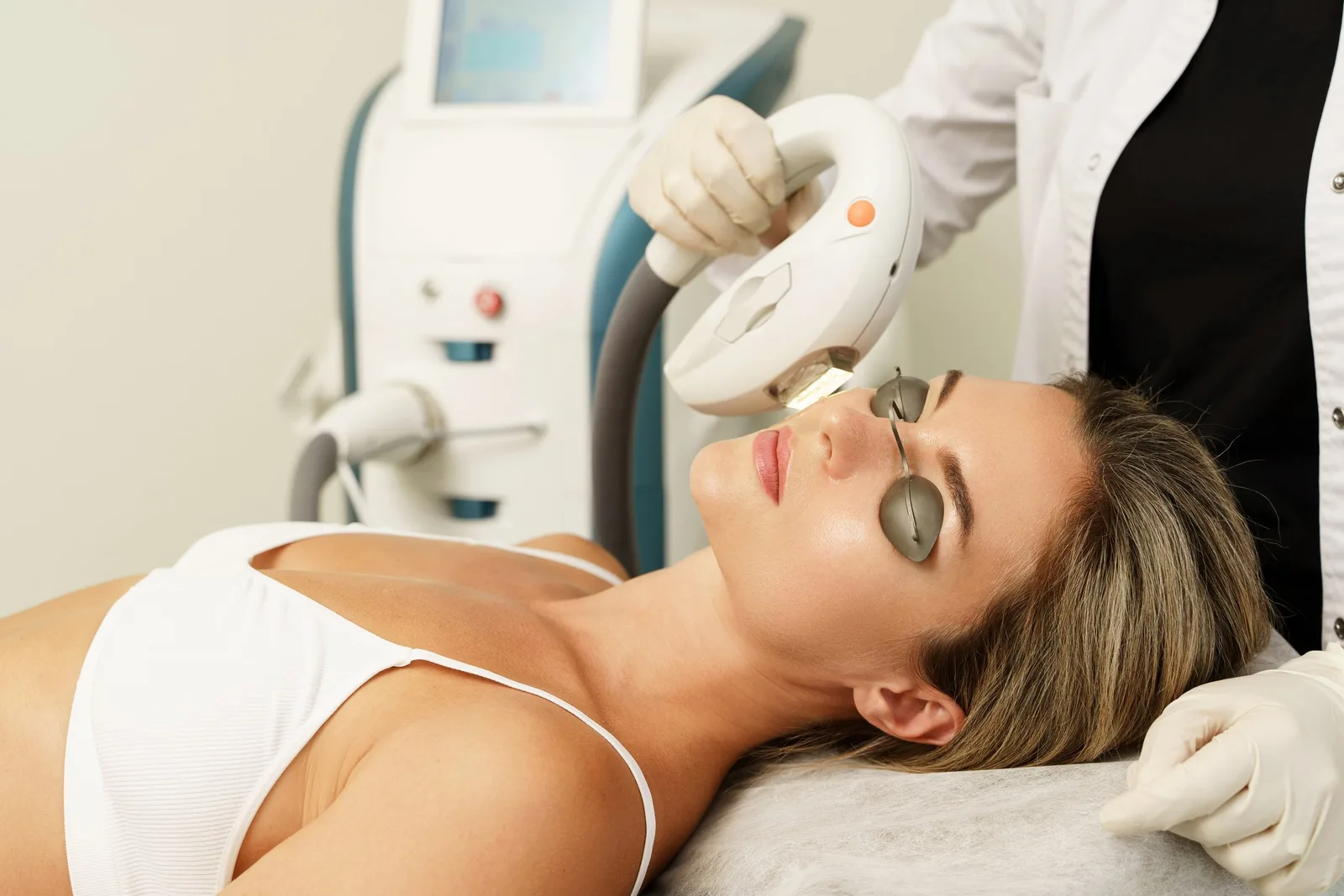
A Sciton BBL photofacial uses pulses of broad-spectrum light to fade brown spots and redness with little to no downtime, while CO2 laser resurfacing removes tiny columns of skin to improve wrinkles, scars, and texture, with about a week of healing. Put simply, BBL is mostly about color and CO2 is mostly about texture. Which one fits depends on your skin, your goals, and how much recovery time you can take, and a consultation decides what is suitable.
The basic difference: light versus resurfacing
BBL stands for BroadBand Light. It is a type of intense pulsed light, or IPL, so strictly speaking it is not a laser. The device sends flashes of light into the skin, and that light is absorbed by brown pigment or by the red in small blood vessels, depending on the setting used. The surface of the skin stays intact.
A fractional CO2 laser is an ablative laser. It creates controlled micro-channels in the skin, removing columns of damaged tissue while leaving the skin in between untouched so healing is faster. The body responds by producing new collagen. Because the surface is opened in a controlled way, recovery takes longer, and the change in texture can be greater.
What a Sciton BBL photofacial targets
The Sciton BBL photofacial at Minnesota Aesthetic Center is used for sun damage, age spots, freckles, rosacea, broken facial veins, and other pigment concerns. Our booking menu lists it for the face, the neck, the chest, and the arms and hands, which is useful when sun damage extends beyond the face.
A cooling gel goes on first and you wear protective eyewear. Each pulse feels like a mild sting, similar to the snap of a rubber band. Over the following weeks, treated brown spots often darken and then flake away. BBL is usually done as a series, with sessions about one month apart. It is not designed for deeper wrinkles or acne scars.
What CO2 laser resurfacing targets
The SmartSkin CO2 laser is used for fine lines and wrinkles, acne scars, surgical scars, sun damage and pigmentation, enlarged pores, rough texture, and skin laxity. Treatment areas include the face, neck, chest, and hands.
Numbing cream is applied first, and the session takes about 30 to 60 minutes depending on the area. Many patients describe the feeling as a rubber band snap combined with heat. Many patients have one treatment, and deeper scars or wrinkles may benefit from two or three. Improvement in tone and texture is often noticeable early and continues to develop over the following months as collagen rebuilds.
Downtime side by side
- Right after BBL: some redness and mild swelling for a few hours to a couple of days. Most people return to normal activities right away.
- Right after CO2: skin feels warm and looks sunburned, with possible pinpoint bleeding and swelling over the next few days.
- The following week with BBL: brown spots may look darker, a little like coffee grounds, before they flake off on their own.
- The following week with CO2: redness, swelling, and peeling for up to a week. Makeup can usually be applied after five days.
- Sun care for both: avoid sun exposure before and after treatment and wear sunscreen daily. Tanned skin raises the risk of side effects with either device.
- Number of visits: BBL is a series spaced about a month apart, while CO2 usually means fewer treatments with more recovery each time.
Who tends to pick which
BBL may suit you if
Your main concerns are brown spots, freckles, blotchy sun damage, or general redness, and you cannot take time away from work or family. It also suits people who want to treat the chest, arms, or hands along with the face, and who are comfortable coming back for several visits.
CO2 may suit you if
Your main concerns are lines, acne scars, enlarged pores, or rough texture, and you can plan a week of healing at home. People often choose it when they would prefer a bigger step in fewer visits and can stay out of the sun while the skin recovers.
When neither is the first choice
If your redness comes mainly from visible blood vessels, the VBeam pulsed dye laser is built specifically for vessels. If you want a gentler refresh, customized chemical peels or a HydraFacial treatment may be a better place to start.
Safety, skin tone, and cost
Both treatments interact with pigment, so skin tone matters. People with darker skin tones, or who tan easily, are more prone to complications such as changes in skin color and should talk through the risks with their provider. Like all light and laser treatments, both carry risks that include discomfort, blistering, infection, pigment changes, and scarring. These are uncommon with a trained provider and good aftercare.
Not every brown patch is sun damage, either. Melasma, for example, can behave unpredictably with light and heat, which is one more reason to have your skin examined before choosing a device. Tell your provider about medications, pregnancy, a recent tan, and any history of cold sores.
Costs differ by treatment and by area, and you will get yours at the consultation. In the meantime you can see our current offers and read how Cherry payment plans work.
Frequently asked questions
Is BBL the same as IPL?
BBL is Sciton's name for its BroadBand Light technology, which is a form of intense pulsed light, so it belongs to the IPL family.
Which is better for sun spots?
BBL is often the first choice for scattered brown spots and freckles because it targets pigment with minimal downtime, though results vary.
Which is better for wrinkles and acne scars?
CO2 resurfacing is the one designed for texture concerns such as lines and scars, because it prompts the skin to rebuild collagen.
Can I have both treatments?
Some people have both at different times because they address different concerns, and your provider will advise on the order and spacing.
If you are not sure which side of this comparison your skin falls on, book a consultation online and our Woodbury team will help you decide.